For years, I believed I had two options; privacy, or an actually tolerable digital life. Sure, I grumbled about Big Tech’s data policies, but that, I thought, was the price of progress. Then I finally pulled the plug — and found not only privacy, but a better, more respectful user experience.
Why I broke up with Big Tech
I’m sure you’ve felt it too; Big Tech’s all-seeing eye stalking you online. Search for tickets to a show, get ads for weeks. Email your aunt about a new recipe, and have the ingredients appear on sale in your supermarket’s app. Every click, every search, every pause — catalogued, tagged, and traded. Your habits, your fears, even your hopes get distilled into targeted campaigns designed to tug at your emotions and manipulate you.
This constant profiling doesn’t just direct ads; it distorts what you get to see, manipulates your decisions, and deepens our divides by showing different truths to different people. Concentrating so much intimate information in corporate silos creates irresistible honeypots for hackers and surveillance states alike. In the end, you’re left with diminished autonomy, a fractured sense of reality, and the nagging knowledge that your most private moments aren’t really so private.
But at least It Just Works™. Or, well, it did. In recent years, fueled by their monopoly status, everything from Google to the your car have decided to forgo being good products, in favour of being good data syphons. But with the quality gone, what, exactly, is Big Tech’s moat?
The first step, and then the rest
They say the first step is hardest. I decided to guarantee it when mine was changing mail providers. Privacy or no, moving mail providers is a fuck. Every service, every app, every platform — everything needs to be updated. Still, it was my first step, and I didn’t hesitate to take it.
My new provider of choice was Proton, and they made the move as easy as could be expected. They told me how to set up routing rules, forwarding all mail from my old inbox to my new one, and taking my history with me. From there? Changing the address of everything forwarded to Proton inbox, a process which took the next 6 months or so. This prolonged ordeal wasn’t my only annoyance with the move. Due to its private, encrypted nature, Proton Mail doesn’t support third-party mail apps like I’d come to expect, and compared to Gmail their search was middling. I was worried I’d made a mistake.
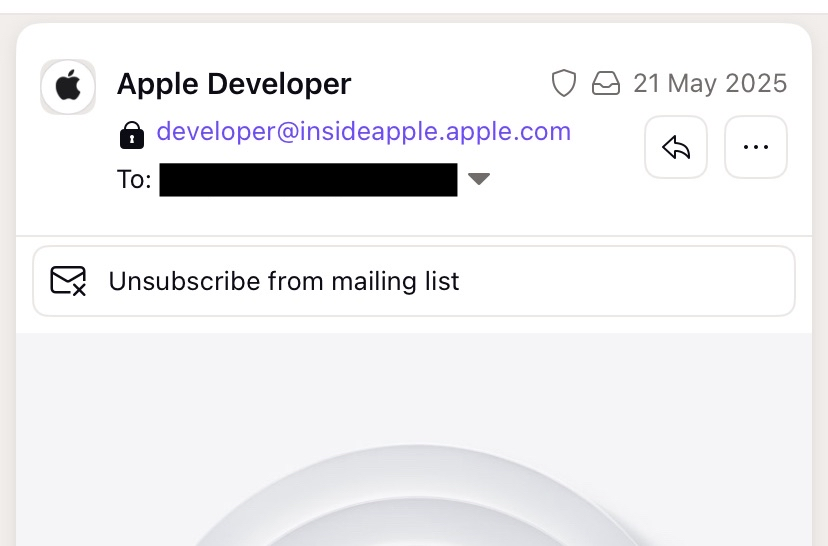
I was wrong. Proton’s own app and website ended up proving more than sufficient for me, with all the features I’d grown reliant on back with Gmail. On top of this, I loved new features like the prominent one-click “unsubscribe” button baked into the app; by far the easiest way to deal with marketing spam I’ve ever found. I had no issues with mail failing to send, or websites denying my (relatively) strange .proton.me domain. With hindsight, I would absolutely make the change again.
First with my inbox, then my browser; I began to see a pattern. The “alternatives” I tried wouldn’t just match Big Tech’s features, they’d surpass them. Google’s results are famously getting worse, aiming to keep users searching (& viewing ads) for longer. Kagi, on the other hand, would actually just show me what I wanted. Ente Auth lets me see my 2FA codes right in my browser, without scrounging for my phone. Transit surfaces the best bus for me to take, in a view purpose-built for public transport.
In each & every case I was able to find a better solution. The grass really was greener beyond the FAANGs. Shocker: services built around respect—respect for your time, your attention, and your data, deliver a better, cleaner, more focused experience.
Dangerous questions
“But what should I use instead? Where should I start?” These are dangerous questions for the data-parasites we currently choose to support. The more people who ask, who realise that the status-quo can change, the more precarious their position becomes. Only you can take the first step.
Such questions, however, are also dangerous… for your mental health. Finding answers can be consuming; full of Reddit threads and AI slop articles. What is your answer? I dunno. I’ll tell you mine, but remember; every tool has trade-offs, every community has zealots, and real progress comes from moving forward, not analysis paralysis. Don’t spend years striving for “perfect” first go, just pick something and stick with it long enough to see if it really works for you. Something will.
Here are some of the alternatives I use, and why, beyond privacy, I prefer them:
| Product | Alternative(s) | Why (beyond privacy) | |
|---|---|---|---|
| Photos | Google Photos | Ente / Immich | Secure image backups that Just Work |
| Gmail | Proton / Fastmail | Great UX, easy unsubscribe, easy change address | |
| Browser | Chrome / Edge | Firefox / Helium | Supports adblock, smart tab groups, no bloat |
| Search | Kagi | Clean, ad-free results focused on relevance | |
| Friend Tracker | Find My Friends / Google Maps | Grid | Cross-platform location sharing |
| 2FA | Google Authenticator | Ente Auth | Cross platform, easy to use 2FA |